British Shorthair and Longhair cats are adored for their teddy bear looks, calm personalities, and plush coats — but before you bring one home, it’s important to understand what makes this breed unique.
Whether you’re a first-time cat owner or expanding your feline family, here’s everything you need to know before buying a British Shorthair or Longhair kitten.
Breed Basics: What Makes British Shorthairs & Longhairs Special?
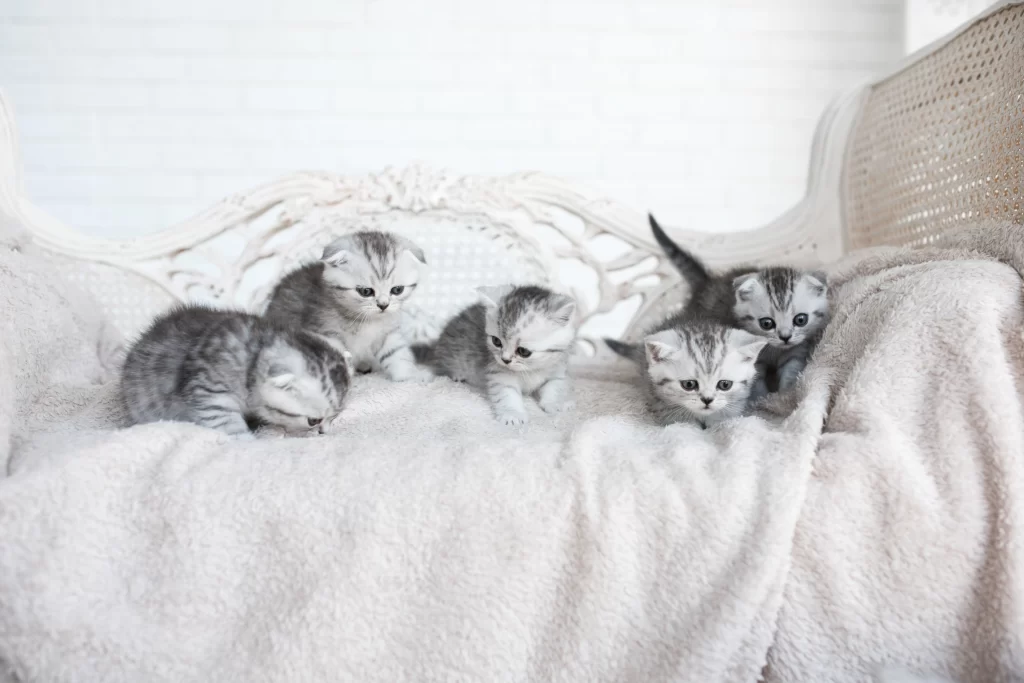
British Shorthairs are known for:
• Their round faces, chubby cheeks, and dense, velvety coats
• Calm, quiet temperaments
• A preference for low-key companionship over clinginess
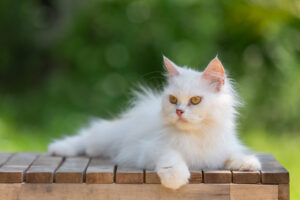
British Longhairs are essentially the longhaired version, with:
• A silky, semi-long coat
• A slightly more regal, fluffy appearance
• Equally relaxed and affectionate personalities
Both breeds are ideal for apartments, singles, families, and even first-time cat owners due to their easy-going nature and appeal to those who want a loving cat but also value personal space.
They’re a Premium Breed — Here’s Why
British Shorthairs and Longhairs are not your typical mixed-breed kittens. Ethical breeders or reputable cat shops invest in:
• Pedigree bloodlines (TICA, GCCF certified)
• Health screening for genetic conditions (like PKD)
• Proper socialisation and nutrition from birth
This means you may pay more — but you’re investing in health, temperament, and quality.
Tip: Always ask to see their health records before buying.
Health, Vaccination & Neutering: What’s Included
When buying from a responsible source, your British Shorthair or Longhair kitten should already:
• Be vet-checked
• Receive core vaccinations
• Be dewormed and flea-treated
• Come with a vaccination record and health certificate
At CatsnCo, we provide all these essentials before the kitten goes home, plus let you know:
• The next vet appointment date
• When is the ideal time for neutering (if not already done)
Grooming Needs: Not High Maintenance, But Still Needs Love
• British Shorthair: Weekly brushing is usually enough due to their short, dense coat.
• British Longhair: Needs brushing 2–3 times a week to prevent tangles and keep their coat fluffy.
They’re generally clean and well-groomed by nature, but brushing helps strengthen your bond and reduce shedding.
Temperament: Gentle, Independent, and Adaptable
British Shorthairs and Longhairs are known for being:
• Calm and well-mannered
• Independent but affectionate
• Good with children and other pets
They enjoy attention but don’t constantly demand it — which makes them perfect for busy families or working individuals.
Fun Fact: British Shorthairs are often described as “cat royalty” — dignified but sweetly loyal once they bond with you.
Space & Lifestyle Compatibility
These cats:
• Are not hyperactive — they enjoy lounging and short play sessions
• Do well in apartments or quiet households
• Appreciate a cozy environment, scratching posts, and soft resting areas
Make sure your home is safe and kitten-proofed before bringing one home!
Nutrition Matters for This Breed
Because of their round body type, British Shorthairs and Longhairs:
• Can be prone to weight gain if overfed or under-exercised
• Thrive on high-protein, balanced diets (wet, dry, or raw)
Ask your cat shop or vet about feeding schedules, recommended brands, and transition advice.
Final Thoughts
British Shorthair and Longhair cats are more than just Instagram-worthy pets — they’re loving companions that thrive in calm, nurturing environments.
By knowing what to expect and asking the right questions, you’ll be well-prepared to welcome your perfect feline friend.